How to Play the Odds: A Beginner’s Guide to Casino Betting
Stepping into a casino for the first time can be both thrilling and overwhelming. The dazzling lights, the rhythmic sounds of slot machines, and the anticipation at the tables all create an atmosphere of excitement. But beneath the surface, every game has its own set of odds, rules, and strategies. Understanding these odds isn’t just for professional gamblers—anyone can learn to make smarter bets and enjoy casino gaming more responsibly. This guide will demystify the concept of “playing the odds,” breaking down what they mean, how to interpret them, and how a little bit of knowledge can go a long way in maximizing your fun and minimizing unnecessary losses.
Understanding Casino Odds: The Basics Explained
Casino odds are the mathematical likelihood of a particular outcome in a game. Odds are usually expressed as a ratio, percentage, or decimal, indicating how likely it is for you to win or lose a bet. For example, if a game offers “2 to 1” odds, it means you can win two units for every one unit wagered, but the chances of that outcome are lower.
Every casino game is designed with a built-in advantage for the house, known as the “house edge.” This percentage represents the average amount the casino expects to keep over time from each bet placed. For instance, classic European roulette has a house edge of 2.7%, while the popular slot machines can range from 4% to over 10%.
.png) Key facts:
- The average house edge for blackjack (using basic strategy) is about 0.5%.
- In American roulette, the house edge jumps to 5.26% due to the extra “00” pocket.
- The odds of hitting a jackpot on a standard slot machine can be as low as 1 in 50 million.
Key facts:
- The average house edge for blackjack (using basic strategy) is about 0.5%.
- In American roulette, the house edge jumps to 5.26% due to the extra “00” pocket.
- The odds of hitting a jackpot on a standard slot machine can be as low as 1 in 50 million.
Understanding these odds helps you make informed choices about where to place your bets and how much to wager. While luck always plays a role, knowledge is your best tool for playing smart.
Types of Casino Bets: What You Need to Know
Not all bets are created equal. Some wagers offer higher payouts but come with lower odds of winning, while others pay less but win more frequently. Here’s a breakdown of common bet types across popular casino games:
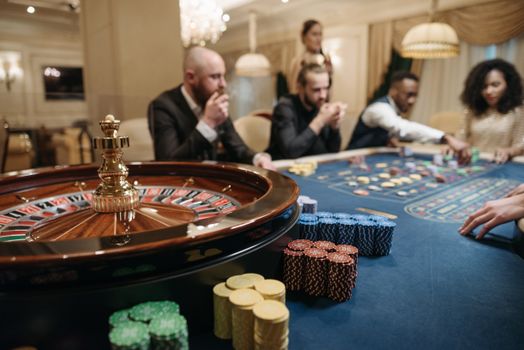
Roulette: - Straight bet: Betting on a single number. Odds of winning: 1 in 37 (European), payout 35:1. - Red or black: Betting on color. Odds of winning: 18 in 37, payout 1:1. Blackjack: - Player vs. dealer: Odds of winning are roughly 42% per hand for the average player, but using basic strategy increases your chances significantly. - Insurance bet: Pays 2:1 if the dealer has blackjack, but statistically, this is a losing bet for most players. Craps: - Pass Line: Odds of winning are about 49.3%, payout 1:1. - Any 7: Odds are 1 in 6, payout is 4:1. Slots: - Themed slots vary widely, but most have a “return to player” (RTP) rate between 85% and 97%. This means that over time, the machine pays back 85-97% of bets. Poker: - Unlike other games, poker pits players against each other instead of the house, so the odds vary depending on your hand and the skill of your opponents.Choosing bets with better odds doesn’t guarantee a win, but it does improve your chances over the long run. For beginners, sticking to simple bets with lower house edges—such as blackjack or European roulette—can be a good strategy.
House Edge vs. Payouts: Making Sense of the Numbers
New players are often dazzled by the promise of big payouts, but it’s essential to weigh those potential rewards against the odds of winning. The house edge is crucial here: the lower the edge, the better your chances over time.
Let’s look at a comparison of popular casino games and their typical house edge and payout odds:
| Game | Typical House Edge | Odds of Winning | Standard Payout |
|---|---|---|---|
| Blackjack (basic strategy) | 0.5% | ~42-49% | 1:1 |
| European Roulette | 2.7% | 2.7% (single number bet) | 35:1 |
| American Roulette | 5.26% | 2.63% (single number bet) | 35:1 |
| Craps (Pass Line) | 1.41% | 49.3% | 1:1 |
| Slot Machines | 4-10% (varies) | Varies (jackpot can be 1 in millions) | Varies |
| Baccarat (Banker bet) | 1.06% | 45.8% | 1:1 (minus commission) |
As shown, games like blackjack and baccarat offer the best odds for players, while slots and certain roulette bets are riskier. Understanding this balance allows you to tailor your approach based on your risk tolerance and gaming goals.
Bankroll Management: A Key to Longevity and Fun
One of the most overlooked aspects of casino betting—especially for beginners—is bankroll management. Your bankroll is the total amount of money you set aside specifically for gambling. Properly managing it not only extends your playtime but also helps prevent stressful losses and keeps the experience enjoyable.
Here are some practical bankroll rules for beginners: - Set a budget before you start, and stick to it. - Divide your bankroll into smaller sessions; never bet it all at once. - Use betting units (e.g., 5% of your bankroll per bet) to avoid large losses. - Walk away from the table if you double your session’s starting amount or lose half of it.According to a 2022 study by the American Gaming Association, over 70% of casino visitors gamble with a set budget, but nearly 30% admit to exceeding their limit at least once. By planning ahead and setting limits, you join the majority of responsible gamblers who keep the fun in the game.
Psychology of Odds: Avoiding Common Betting Mistakes
Casino games are built not only on mathematics but also on human psychology. Many beginners fall into the trap of “gambler’s fallacy”—the mistaken belief that past outcomes influence future ones. For example, thinking a roulette wheel is “due” to land on red after a series of blacks is a classic error. Each spin is independent, and the odds never change based on previous results.
Other common mistakes include: - Chasing losses by increasing bet size after a losing streak. - Overestimating the likelihood of a big win, especially on slot machines. - Ignoring the house edge by focusing only on possible payouts.A 2023 survey by YouGov found that 46% of new gamblers believed they could “beat the odds” with luck alone. In reality, understanding probability and being aware of your own biases are essential for making rational decisions at the casino.
Developing a Personal Betting Strategy
While there’s no foolproof system for winning at casino games, developing a personal betting strategy can help you play smarter. Here are some tips for getting started:
1. Learn the rules and odds of each game before betting real money. Many casinos offer free tutorials or practice tables. 2. Choose games with lower house edges if your goal is to maximize playtime and minimize losses. 3. Decide in advance how much you’re willing to risk and what your goals are—whether it’s entertainment, a social night out, or aiming for a big win. 4. Track your bets and results. This can help you spot patterns in your behavior and refine your approach. 5. Never believe in “hot” or “cold” machines or tables. Base your decisions on data, not superstition.Many seasoned players recommend starting with simpler games, such as blackjack or baccarat, where basic strategy can narrow the house edge. As you gain confidence, you can explore more complex games or betting systems, always keeping your limits in mind.
Final Thoughts on Playing the Odds in Casino Betting
Playing the odds doesn’t mean guaranteeing a win every time you visit a casino. Rather, it’s about understanding the mathematical realities behind each game, managing your bankroll wisely, and making choices based on knowledge rather than emotion. With a solid grasp of odds, house edge, and personal betting strategy, even beginners can enjoy casino betting as a fun and controlled form of entertainment.
Above all, remember that the main purpose of casino games is enjoyment. By approaching each game with curiosity and a willingness to learn, you’ll set yourself up for a much more rewarding experience—win or lose.