Casino gaming captivates millions of people worldwide, not only for the thrill of potential wins but also for the unique psychological experiences it delivers. From the adrenaline rush of spinning a roulette wheel to the calculated tension of a poker bluff, the casino environment is meticulously designed to trigger powerful mental and emotional responses. But what exactly makes these games so compelling? Why do some people find themselves drawn back to the tables or slots time and again? In this article, we’ll explore the psychological thrills of casino gaming, delving into the science behind anticipation, risk, reward, and the immersive environments that keep players engaged.
The Allure of Uncertainty: Why Randomness Excites Us
At the heart of every casino game lies an element of chance. Whether it’s the shuffle of a deck, the spin of a wheel, or the roll of dice, uncertainty is the main attraction. Psychological research shows that humans are wired to find unpredictability stimulating. Anticipation activates the brain’s reward centers, especially the ventral striatum and prefrontal cortex, releasing dopamine — the neurotransmitter associated with pleasure and motivation.
A 2017 study published in $1 found that the brain’s reward system responds more intensely to unpredictable outcomes than to predictable ones. This means that a slot machine’s random jackpot or a sudden blackjack win can produce a more powerful thrill than a guaranteed reward. This is also why casino games often use “near-miss” outcomes, where players come close to winning, to keep engagement high.
.png)
Psychological Design: Casino Environments That Captivate
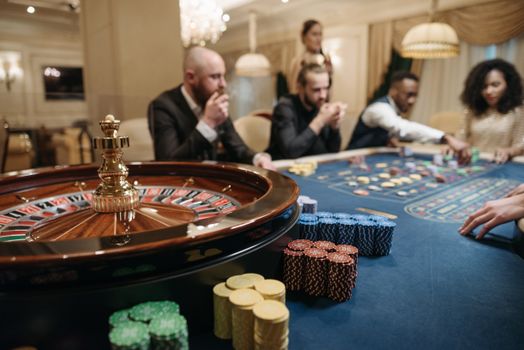
Casinos aren’t just about the games themselves. The physical and digital environments are carefully crafted to maximize psychological engagement. From the lighting to the layout and even the sound design, every detail is engineered to heighten excitement and immersion.
- $1 Casinos use warm, inviting lighting and vibrant colors to create a sense of energy and optimism. Research from the University of Nevada showed that red and gold tones in casino decor can increase betting behavior by up to 12%. - $1 Slot machines and table games employ celebratory sounds, musical jingles, and ringing bells to signal wins, reinforcing player motivation. - $1 Casinos are famously labyrinthine, with few windows or clocks. This design encourages players to lose track of time and stay engaged longer. A 2015 study found that players spend 30% more time on the floor in windowless casinos compared to ones with natural light and visible clocks.Online casinos replicate these features using animations, interactive graphics, and engaging user interfaces, triggering similar psychological responses.
The Role of Risk and Reward: How Gambling Triggers the Brain
The risk-reward dynamic is core to the psychological thrill of casino gaming. The act of placing a bet, with the possibility of winning or losing, creates an emotional high that many find irresistible. This is closely linked to the concept of “variable ratio reinforcement,” a principle from behavioral psychology.
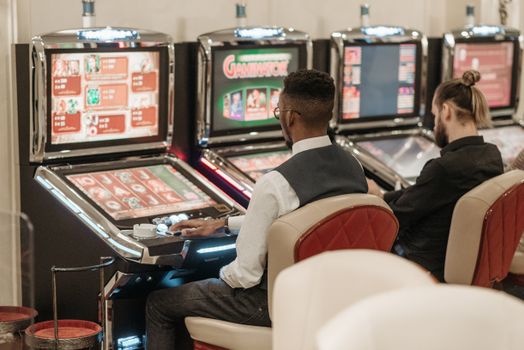
In variable ratio reinforcement, rewards are delivered after an unpredictable number of actions. This is the same principle that makes slot machines — and even social media notifications — so addictive. According to the National Center for Responsible Gaming, slot machine players receive a payout approximately once every four to five spins, but the size of the reward and the timing are completely unpredictable. This pattern keeps players engaged, as their brains continue to anticipate the next win.
The table below compares the reward frequency and unpredictability of common casino games:
| Game | Reward Frequency | Level of Unpredictability | Typical House Edge (%) |
|---|---|---|---|
| Slot Machines | High | Very High | 2-15 |
| Roulette | Medium | High | 2.7-5.26 |
| Poker | Low | High (Skill + Chance) | Varies (0-5) |
| Blackjack | Medium | Moderate | 0.5-2 |
As the table illustrates, games like slots combine high reward frequency with high unpredictability, making them especially engaging from a psychological standpoint.
Social Interaction and Competition: The Human Element
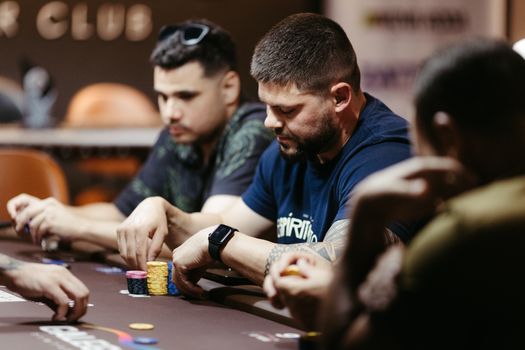
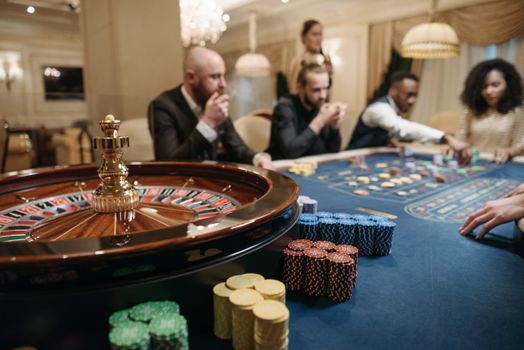
Beyond the solitary thrill of spinning reels or drawing cards, casino gaming often involves social dynamics that add another layer of psychological excitement. Table games like poker, blackjack, and craps are communal experiences, where players interact, compete, and even form alliances.
- $1 The desire to outperform others is a strong motivator. In poker tournaments, for example, more than 60% of participants say the primary thrill comes from “beating the competition,” rather than just winning money. - $1 Games like craps or baccarat foster a sense of community, as players cheer each other on or commiserate over losses. This social bonding increases the overall enjoyment and can even moderate the emotional highs and lows. - $1 Watching others play can heighten anticipation and offer opportunities to learn strategies, further engaging the mind.Online casinos have adapted to this need for connection by offering live dealer games and chat features, allowing players to interact in real-time, even from a distance.
Psychological Pitfalls: When Thrill Becomes Risk
While the psychological thrills of casino gaming can be exhilarating, they also come with risks. For some, the pursuit of excitement and reward can spiral into problematic behavior. According to the World Health Organization, about 2% of adults worldwide experience gambling problems severe enough to affect personal finances or relationships.
Key risk factors include: - $1 The urge to recover losses by continuing to gamble, fueled by the same psychological mechanisms that drive anticipation and reward. - $1 Many players believe they can influence random outcomes through skill or “lucky rituals.” A 2010 Harvard study found that 35% of frequent gamblers hold strong beliefs in their ability to control game outcomes, despite the statistical realities. - $1 Over time, repeated exposure to the psychological highs of gambling can dull the impact, leading players to increase stakes or frequency to achieve the same thrill.Understanding these risks is crucial. Many casinos provide tools for self-exclusion, betting limits, and resources for responsible gaming to help mitigate harm.
Harnessing the Thrill Responsibly
Despite the potential pitfalls, casino gaming can be an enjoyable and even beneficial pastime when approached with awareness and self-control. For many, the psychological thrills — anticipation, excitement, social interaction — are part of a balanced recreational experience.
Tips for healthy engagement include: - $1 Decide in advance how much time and money you’re willing to spend. - $1 View casino gaming as a form of entertainment, not a way to make money. - $1 Regular pauses can help maintain perspective and prevent impulsive decisions. - $1 If gambling ever feels like it’s getting out of control, reach out for help. Many organizations offer free resources and counseling.Conclusion
The psychological thrills of casino gaming are rooted in our brains’ natural responses to uncertainty, risk, and reward. Casinos leverage these responses through thoughtful design, immersive environments, and social experiences, creating a powerful cocktail of anticipation and excitement. While these elements can deliver memorable moments and enjoyment, they also carry potential risks if not managed responsibly. By understanding the science behind the thrill, players can make informed choices and savor the excitement of casino gaming in a healthy, balanced way.