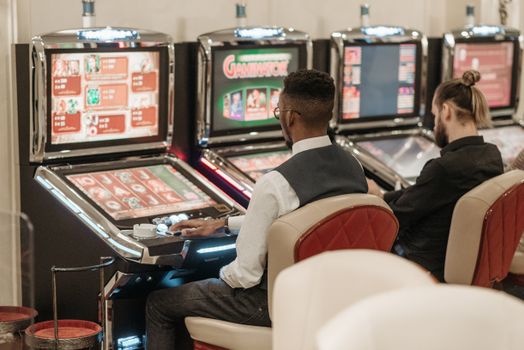
Casino Games: A Journey from Traditional to Digital
The world of casino gaming has undergone a dramatic transformation over the past century. From the iconic casino floors of Monte Carlo to the brightly lit digital screens of online platforms, the way people play casino games has evolved in step with technological innovation and shifting cultural preferences. This journey from traditional to digital casino games is not just a story of new gadgets and flashy graphics—it’s a fascinating tale of how human ingenuity, social trends, and globalization have reshaped one of the world’s oldest forms of entertainment.
The Origins: Traditional Casino Games and Their Enduring Appeal
Casino gaming traces its roots back hundreds, if not thousands, of years. The earliest recorded gambling houses appeared in Italy in the 17th century, but the tradition of games of chance is much older. By the late 19th and early 20th centuries, grand casinos in Monte Carlo, Las Vegas, and Macau became synonymous with glamour and sophistication.
Traditional casino games like roulette, blackjack, baccarat, and poker have enduring appeal. Their rules are simple to learn but difficult to master, creating a unique blend of chance and skill. For many, the sound of spinning roulette wheels and shuffling cards is inseparable from the excitement of a night out.
.png)
According to the American Gaming Association, over 37% of U.S. adults visited a casino in 2023, highlighting the continued popularity of brick-and-mortar venues. The social aspect—interacting with dealers and other players—remains a key draw. For example, poker tournaments like the World Series of Poker attract thousands of participants and millions of viewers each year, demonstrating the cultural significance of traditional casino gaming.
The Digital Revolution: Rise of Online Casino Games
The advent of the internet in the 1990s brought about a seismic shift in the casino industry. The first online casino, launched in 1994, paved the way for a whole new era of digital gaming. By offering classic games like slots, blackjack, and roulette through web browsers, online casinos made gambling accessible to anyone with an internet connection.
This revolution was driven by several factors:
- $1: Players could now enjoy casino games from home, 24/7, without the need to travel. - $1: Online platforms are not limited by physical space, resulting in thousands of game variations. - $1: Digital games introduced novel elements such as bonus rounds, progressive jackpots, and themed graphics.By 2023, the global online gambling market was valued at over $95 billion, with online casino games accounting for a significant share, according to Statista. The number of people playing online casino games is expected to surpass 200 million worldwide by 2025.
Technological Milestones: From RNGs to Live Dealer Casinos
The digital casino experience has been shaped by a series of technological breakthroughs. One of the most important is the Random Number Generator (RNG), a software algorithm that ensures fair and unpredictable outcomes in digital games. RNGs replaced the mechanical workings of physical slot machines and card shuffling, offering transparency and trustworthiness.
As broadband internet became widespread, live dealer casinos emerged. These platforms stream real human dealers from studios or actual casino floors, allowing players to interact and bet in real-time. Live dealer blackjack, roulette, and baccarat have become some of the most popular options online, bridging the gap between solo digital play and the social atmosphere of traditional casinos.
Mobile technology marked another turning point. By 2022, over 60% of all online gambling occurred via smartphones or tablets, making casino games more portable and convenient than ever before.
Comparing Traditional and Digital Casino Games
While both traditional and digital casino games share many similarities, they also differ in key aspects that shape the player experience. Here is a direct comparison:
| Aspect | Traditional Casino Games | Digital Casino Games |
|---|---|---|
| Accessibility | Limited to physical locations; set hours | Available globally, 24/7 via internet |
| Game Variety | Limited by physical space and resources | Thousands of games; easy to add new variations |
| Social Interaction | Face-to-face with dealers and players | Digital chat; live dealers attempt to replicate social feel |
| Payout Speed | Usually immediate for cash wins | Digital payouts; may take hours to days depending on method |
| Security & Fairness | Regulated by local authorities; physical oversight | Regulated online; RNGs and third-party audits for fairness |
| Atmosphere | Luxurious, immersive, sensory experience | Graphics and sound effects; VR attempts to replicate atmosphere |
The Rise of Hybrid Experiences: Bridging Tradition and Technology
Today, the line between traditional and digital casino games is increasingly blurred. Many land-based casinos have adopted digital innovations, such as electronic table games, touch-screen slots, and loyalty programs powered by mobile apps.
Conversely, online casinos strive to recreate the magic of physical venues. Virtual reality (VR) and augmented reality (AR) technologies are in development, offering immersive 3D environments where players can walk through a virtual casino, interact with other avatars, and play games as if they were physically present.
A prime example of this hybrid approach is Evolution Gaming, which specializes in live dealer games that combine high-definition video streaming with interactive interfaces. In 2021, Evolution reported a 53% year-over-year increase in revenue, fueled by player demand for more lifelike online experiences.
Additionally, some casinos now offer "phygital" experiences—combining physical and digital elements. For instance, MGM Resorts has introduced digital kiosks for cashless payments and personalized game recommendations on the casino floor. Meanwhile, online tournaments sometimes culminate in live, in-person finals, merging online qualifiers with traditional casino excitement.
Regulation and Responsible Gaming in the Digital Age
As casino gaming moved into the digital realm, regulation and responsible gaming initiatives have become more complex and important. Online casinos must adhere to jurisdiction-specific laws, obtain licenses, and undergo regular audits. For example, in the United Kingdom, the Gambling Commission enforces strict rules on game fairness, advertising, and player protection.
Digital platforms have also enabled more robust responsible gambling tools. Online casinos can use algorithms to detect problematic gambling patterns, offer self-exclusion options, and set deposit or loss limits. In 2022, over 1.2 million online gamblers in the UK used at least one responsible gaming feature, according to the UK Gambling Commission.
At the same time, digital platforms face unique challenges. The anonymity and convenience of online gambling can increase the risk of addiction or underage participation. That’s why governments and industry groups continue to develop new standards and technologies to safeguard players.
What the Future Holds for Casino Games
Looking ahead, casino gaming is poised for even more innovation. Blockchain technology is being used to create transparent, decentralized gambling platforms. Cryptocurrencies like Bitcoin are increasingly accepted by online casinos, offering fast, secure, and borderless transactions.
Artificial intelligence (AI) is beginning to personalize player experiences, suggesting games based on past behavior and even identifying potential problem gambling to intervene early. Meanwhile, the global expansion of legal online gambling—expected to reach $153 billion in market value by 2030—means more players will have access to innovative casino experiences than ever before.
Casinos are also exploring partnerships with video game developers to appeal to younger audiences. "Skill-based" casino games, which combine elements of traditional gambling with video game mechanics, are being tested in both digital and land-based settings.
Ultimately, the journey from traditional to digital casino games reflects the broader changes in how we socialize, entertain ourselves, and leverage technology. While the tools may change, the allure of games of chance—whether played on a plush casino floor or from the comfort of home—remains as strong as ever.