When stepping into the vibrant world of casino table games, players encounter not just opportunities for entertainment but also for exercising strategy, skill, and a deep understanding of the games' rules. Roulette, poker, and blackjack stand out as three of the most engaging and widely played games, each offering unique thrills and challenges. Here's a closer look at each game to help both newcomers and seasoned players refine their approach and increase their odds of success.
Roulette: The Game of Chance
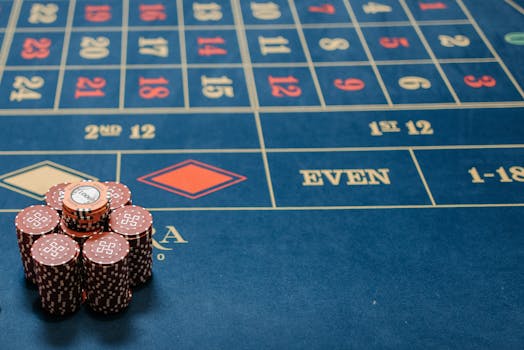
Roulette's allure lies in its simplicity and the sheer randomness of its outcome. The game features a wheel with numbered pockets, a small ball, and a table where players place their bets. The main goal in roulette is to predict the pocket in which the ball will land after the wheel stops spinning. Players can choose to play either American roulette, which includes a zero and a double zero, or the more favorable European roulette with a single zero.
.png)
Bets in roulette can be categorized into 'inside' and 'outside' bets. Inside bets are placed on specific numbers or small combinations, offering higher payouts but lower odds of winning. Conversely, outside bets cover larger groups of numbers, yielding lower payouts but improving the chances of winning. Familiarizing oneself with these betting options and the associated odds is crucial for informed betting in roulette.
Poker: Skill and Strategy
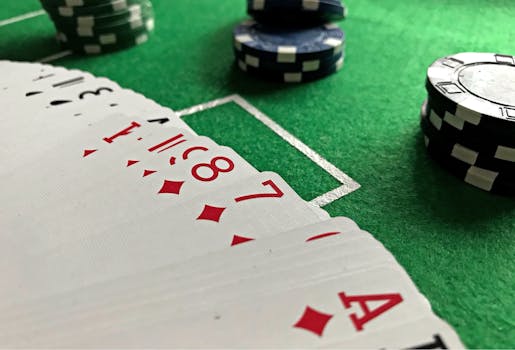
Poker, particularly in its popular Texas Hold’em variation, is a game of skill, strategy, and psychological warfare. Each player tries to assemble the best possible five-card hand using two private cards and five community cards that are revealed in phases—flop, turn, and river. Success in poker depends on one's ability to bet strategically, read opponents, and manage one's own hand effectively.
Understanding hand rankings is fundamental, but real mastery comes from analyzing other players' behavior and making calculated decisions on when to bet, call, raise, or fold. Poker is less about the cards you are dealt and more about how you play them, making it a game of nuanced tactics and long-term psychological maneuvering.
Blackjack: Beat the Dealer
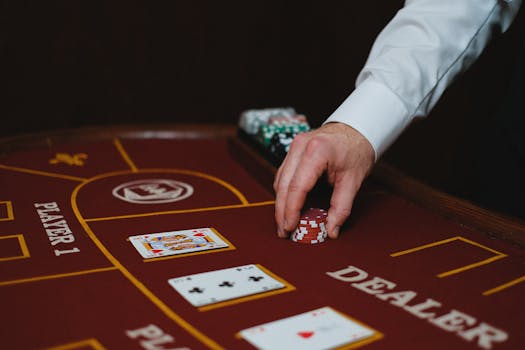
Blackjack is a dynamic game where the objective is to beat the dealer's hand without exceeding a total of 21. Players start with two cards and decide whether to "hit" (draw more cards) or "stand" (keep their current hand). Strategic decisions in blackjack also include "doubling down" (doubling the bet and taking one more card), "splitting" (dividing a pair into two separate hands), or "surrendering" (giving up half the bet to cease playing the hand).
Effective blackjack strategy involves knowing the optimal action for any given situation, which is influenced by the dealer’s visible card and the specific rules of the game. Employing basic strategy, which uses statistical probabilities to determine the best possible move, can significantly diminish the house edge and boost a player's chances of winning.
Conclusion
The fascinating world of casino table games—roulette, poker, and blackjack—offers varied experiences that cater to different player preferences. While roulette is predominantly a game of chance, both poker and blackjack incorporate substantial elements of strategy and skill. Understanding the fundamental rules, strategies, and mathematical underpinnings of these games not only enhances the enjoyment of playing but also improves your likelihood of success. Whether you're playing casually or with serious intentions, a deeper knowledge of these games equips you to approach the casino table with confidence and savvy.