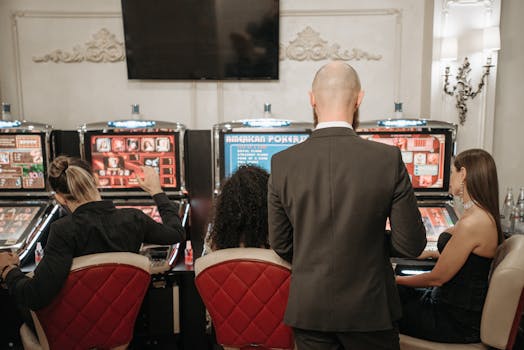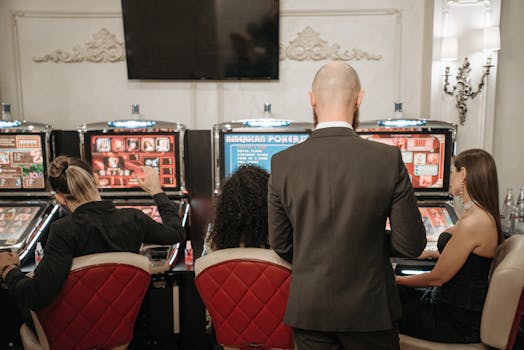
Slot machines are a dominant feature of casino floors, instantly recognizable by their flashing lights, catchy sounds, and the promise of instant rewards. For decades, these electronic games have captivated players and generated billions in revenue for casinos worldwide. But what lies behind their irresistible allure? In this comprehensive exploration, we’ll deconstruct the popularity of slot machines in casinos, delving into the history, psychological triggers, technological advancements, and their economic impact. By examining these aspects, we can better understand why slot machines continue to reign supreme in both land-based and online casinos.
The Evolution of Slot Machines: From Mechanical Marvels to Digital Giants
Slot machines have a fascinating history that dates back over 130 years. The very first slot machine, the Liberty Bell, was invented in 1895 by Charles Fey in San Francisco. This mechanical device featured three spinning reels and five symbols — horseshoes, diamonds, spades, hearts, and the Liberty Bell. Players would pull a lever to spin the reels, hoping to line up matching symbols for a payout.
By the 1960s, slot machines had evolved into electromechanical devices, allowing for more complex game mechanics and larger jackpots. The 1970s and 1980s saw the introduction of video slots, which replaced physical reels with digital screens. This innovation opened the door to themed games, bonus rounds, and animated graphics.
.png)
The transition to online slots in the late 1990s and early 2000s further revolutionized the industry. Today, slot games are accessible from smartphones, tablets, and computers, offering countless themes, gameplay features, and progressive jackpots. According to the American Gaming Association, slot machines now account for over 70% of gaming floor revenue in many U.S. casinos.
Psychological Triggers: Why Slot Machines Are So Compelling
What makes slot machines so addictive? The answer lies in a blend of psychology and design. Slot machines are intentionally crafted to maximize player engagement and excitement. Here are some of the key psychological triggers at play:
1. $1: Slot machines operate on a principle known as "variable ratio reinforcement." Unlike scheduled rewards, variable ratios mean wins are unpredictable, which keeps players spinning in anticipation. Studies show that unpredictable rewards trigger dopamine release in the brain, the same chemical associated with pleasure and motivation. 2. $1: The flashing lights, celebratory sounds, and jingling coins aren’t just for show. Research from the University of Waterloo found that sensory cues in slot machines enhance the excitement of near-misses and wins, encouraging longer play. 3. $1: Modern slot machines are programmed to display near-misses (e.g., two jackpot symbols and a third just above the payline) more frequently than would occur by chance. A study published in the Journal of Gambling Studies found that near-misses stimulate the same brain regions as actual wins, motivating players to continue. 4. $1: Features like “stop” buttons or “hold” functions give players the impression they can influence the outcome, even though results are determined by a random number generator (RNG). 5. $1: Many slot games allow bets as low as one cent per spin, making them accessible to all budgets. The rapid play rate — up to 600 spins per hour — can quickly immerse players and mask losses.Economic Impact: Slot Machines as Casino Revenue Engines
Slot machines are the financial backbone of most casinos, far outpacing table games like blackjack and roulette. According to the Nevada Gaming Control Board, slot machines generated nearly $8.7 billion in revenue in the state during 2022, accounting for 68% of total casino gaming revenue.
The popularity of slots is also reflected in their sheer numbers. In the United States alone, there are over 900,000 slot machines. Globally, the slot machine market was valued at approximately $8.4 billion in 2021 and is projected to reach $11.7 billion by 2028, according to Fortune Business Insights.
To illustrate the comparison between slot machines and table games, consider the following revenue breakdown from a major Las Vegas casino in 2022:
| Game Type | Number of Games | Revenue Generated | Percentage of Total Revenue |
|---|---|---|---|
| Slot Machines | 2,000 | $350 million | 69% |
| Blackjack | 120 | $70 million | 14% |
| Roulette | 40 | $30 million | 6% |
| Poker | 30 | $20 million | 4% |
| Other Table Games | 60 | $37 million | 7% |
This table clearly demonstrates the dominance of slot machines as a revenue source, both in terms of the number of games available and the income they generate for casinos.
Technology and Innovation: The Modern Slot Machine Experience
Technological innovation has been a driving force in the rising popularity of slot machines. Over the past two decades, slots have become more sophisticated, immersive, and interactive.
1. $1: Today’s slot machines offer visually stunning graphics, 3D animations, and cinematic soundtracks. Popular themes range from blockbuster movies and TV shows to adventure and mythology, appealing to a broad spectrum of players. 2. $1: Modern slots often include bonus rounds, free spins, and interactive mini-games, adding layers of excitement and unpredictability. These features can significantly increase the average time spent on a machine. 3. $1: Progressive slots pool a small percentage of each wager into a shared jackpot, which can reach life-changing amounts. For example, the “Megabucks” slot in Las Vegas awarded a record $39.7 million jackpot in 2003. 4. $1: Many casinos link slot play to loyalty programs, offering players points, free play, or other perks for time spent at the machines. This provides a sense of progression and additional motivation to continue playing. 5. $1: The rise of online casinos has made slots more accessible than ever. In 2023, Statista reported that over 60% of global online casino revenue came from slot games, fueled by convenience, variety, and the ability to play on-the-go.Demographics and Accessibility: Who Plays Slot Machines?
Slot machines attract a remarkably diverse audience. Unlike table games, which may intimidate new or casual gamblers, slots are easy to play and require no skill or strategy. This accessibility broadens their appeal across age groups, genders, and experience levels.
- $1: A 2019 report from the UK Gambling Commission found that 42% of slot players were aged 45-64, but younger adults are increasingly engaging with online slots, especially via mobile apps. - $1: Historically, slot machine play was dominated by women, but the gender gap has narrowed. Today, roughly 54% of slot players are female, compared to 46% male, according to a 2022 survey by YouGov. - $1: In major casino destinations like Las Vegas and Macau, tourists often gravitate toward slots for their ease of play and entertainment value. However, local markets also see steady slot play, particularly among retirees and frequent visitors.Regulation and Responsible Gaming: Balancing Entertainment and Risk
While slot machines provide entertainment and economic benefits, their popularity also raises concerns about problem gambling. Governments and gaming authorities have implemented regulations to promote responsible gaming and protect vulnerable players.
- $1: Slot machines are required to display their Return to Player (RTP) percentage, which indicates the average amount returned to players over time. Most slots in regulated markets have an RTP between 85% and 98%. - $1: Many casinos and online platforms offer self-exclusion programs, allowing players to voluntarily block themselves from gambling. Pre-set deposit and loss limits are also common features. - $1: Organizations like the National Council on Problem Gambling provide resources and support for individuals at risk of gambling addiction.Despite these measures, the immersive and fast-paced nature of slots means that players should always approach them with awareness and moderation.
Conclusion: The Enduring Allure of Slot Machines
Slot machines have evolved from simple mechanical devices into multifaceted entertainment experiences that captivate millions around the world. Their combination of psychological triggers, technological innovation, broad accessibility, and substantial payouts explains why they remain at the heart of casino culture. As slots continue to adapt to new platforms and demographics, their popularity shows no sign of fading. Whether you’re a casual player or a casino enthusiast, understanding the mechanics behind their appeal can lead to a more informed and enjoyable gaming experience.